Fast Charge California Project Window 2
Application Window: October 7, 2026‒January 14, 2027
Project Overview
- Funding will be awarded on a first-come, first-served basis to ready-to build projects (issued permit and final utility service design).
- Fast Charge California Project provides incentives for purchasing and installing eligible direct current (DC) fast chargers.
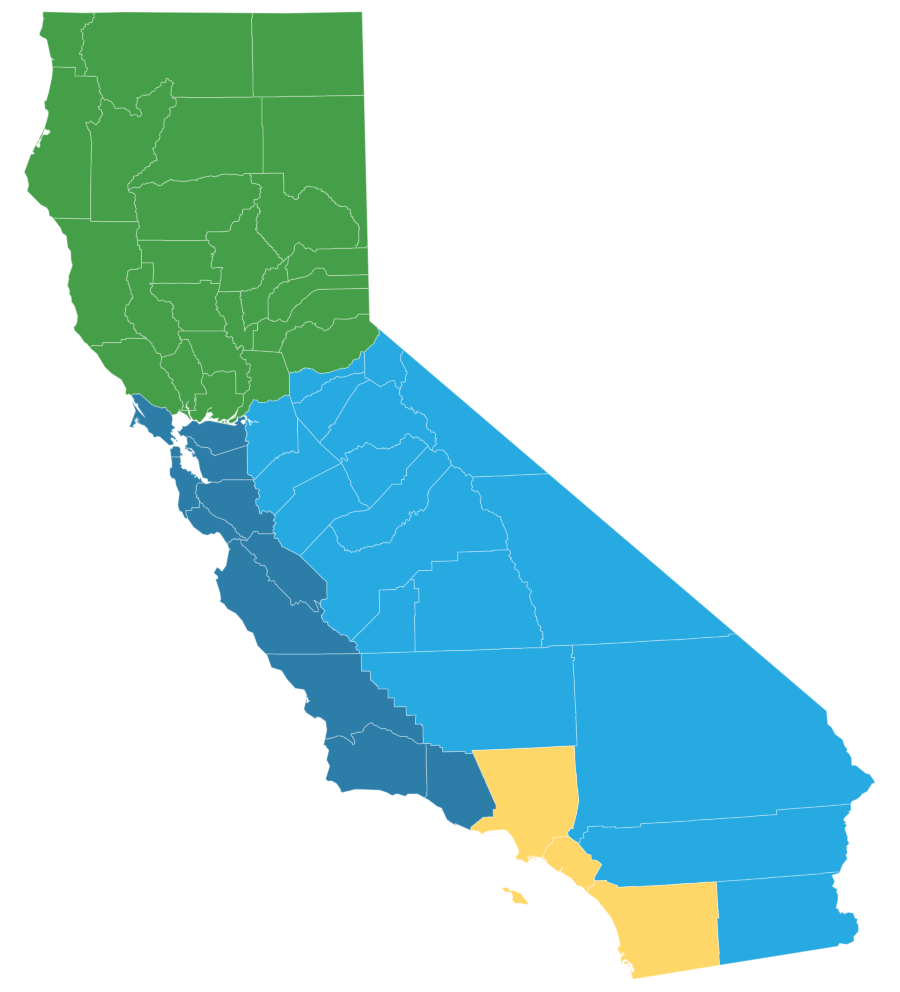
- Incentives are available for project sites across California.
- Applicant must be both the incentive recipient and owner of the charging equipment.
- Incentives can cover up to 100% of total approved costs, capped at $100,000 per charging port.
- Applicants must have a minimum of 50% CCS connectors installed per site in order to be eligible for incentive funding.
- Eligible sites must be available to the public.
- Charging hubs, hotels, and business districts will no longer be eligible site types.
- All projects must abide by AB2061 data reporting requirements as dictated by the CEC.
- Disadvantaged communities (DACs) and low-income communities (LICs) are NOT REQUIRED, but DAC/LIC and tribal applications that meet ready-to-build requirements will be prioritized.
DC Fast Charger Incentive Amounts
| Guaranteed Output (per charging port) |
Incentive (per charging port) |
|---|---|
| 150 kW- 274.99 kW | $55,000 |
| 275 kW+ | $100,000 |
Resource Guides

Implementation Manual
Quick Tips for Getting Started
Watch these videos to find out how to successfully prepare and apply for the incentive.
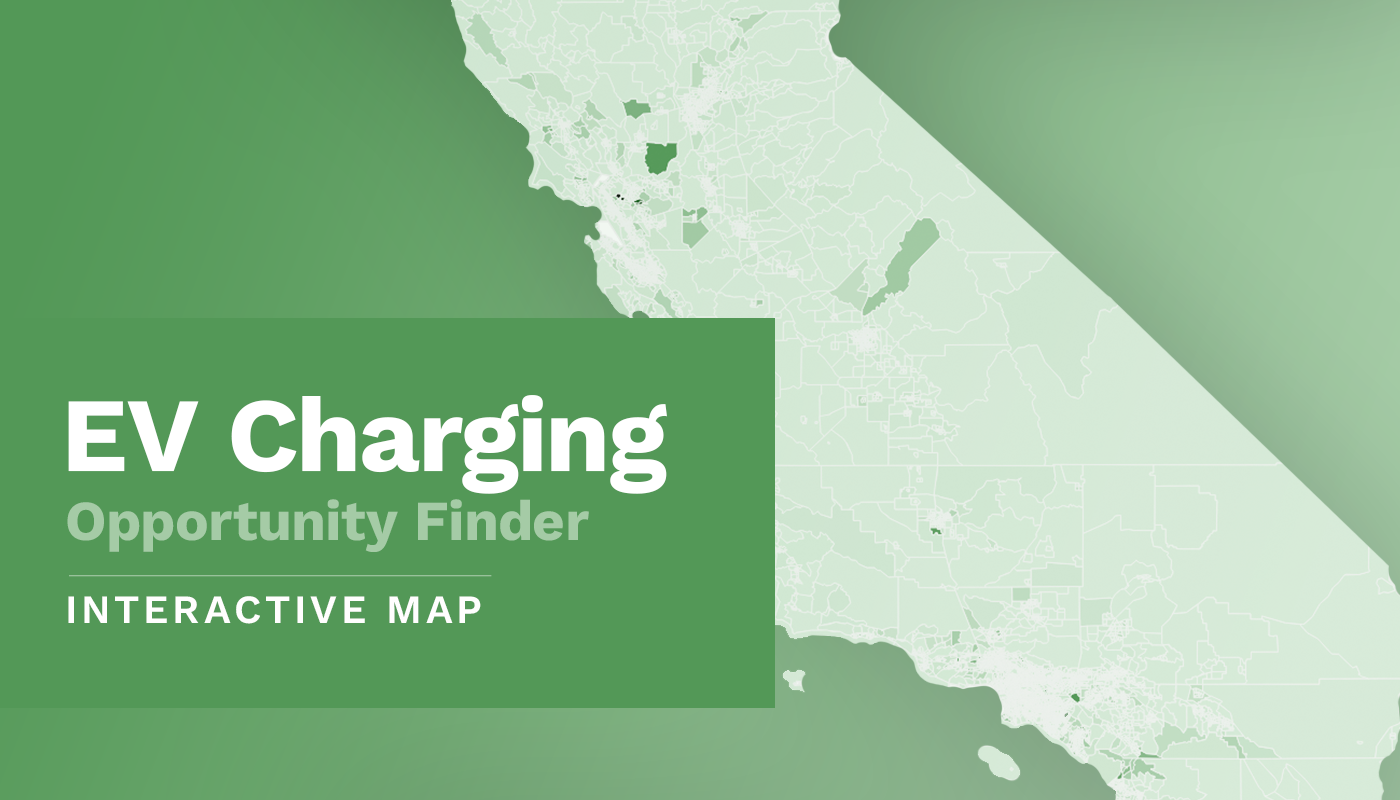
EV Charging Opportunity Finder
Use this interactive map to see where EVs and EV charging currently exist and to determine the best locations to install new chargers. Ready-to-build projects in tribal, disadvantaged and low-income communities will be prioritized.
Requirements & Additional Information
Applicant Eligibility Requirements
Eligible applicants must:
- The Applicant must be part of the same entity, business, or organization as the incentive recipient and owner of the EV chargers.
- Be an authorized representative of a commercial or public facility installation site. An authorized representative is defined as the Site Owner of the location where the Proposed Installation will be installed or an individual that has received permission from the Site Owner, via the “CALeVIP Site Verification Form" that can be found on CALeVIP Document Library and all relevant documentation.
- Represent any of the following:
- A business based in California or has a California-based affiliate.
- A sole proprietorship based in California or has a California-based affiliate.
- A nonprofit organization based in California or has a California-based affiliate.
- A government entity based in California or has a California-based affiliate.
- A California Native American tribe listed with the Native American Heritage Commission at the time of application.
Note: Any threatened or actual legal action against the applicant organization cannot impact the completion or operation of the proposed installation or disbursement of the reserved funds.
Applicant Caps:
- No Incentive Recipient may receive more than 35 percent (35%) of the total available project funding available for FCCP-2.
- No Incentive Recipient may have more than a cumulative total of 50 active applications/projects open across CALeVIP 2.0 and Communities in Charge. Subsidiaries and other organizations associated with one another may be grouped as a single Incentive Recipient at CEC/CSE’s sole and absolute discretion.
“Ready-to-Build” Eligibility Requirements
To be eligible for funding, Fast Charge California Project 2 (FCCP-2) applications must be considered ready-to-build (Tier 1*), meeting the requirements described in the Implementation Manual. An application is considered ready-to-build only if the following documentation is submitted with the application:
- Issued permit(s) from relevant authority having jurisdiction (AHJ) AND
- Final Utility Service Design OR official letter from the utility stating no new or upgraded service is required.
Applications with incomplete Final Utility Service Design and/or issued permit are not considered ready-to-build and are ineligible for funding through the Fast Charge California Project 2.
See the Implementation Manual for more details.
Application Process
Read the interactive timeline below to view the application process step by step.
The Fast Charge California Project 2 will begin accepting applications on October 7, 2026, at 9:00 a.m. PT. The application window will remain open until January 14, 2027, at 5:00 p.m. PT. No new applications will be accepted after the funding window closes.
Applications that meet all eligibility requirements will be processed on a first-come, first-served basis, except for applications within disadvantaged communities (DACs), low-income communities (LICs) or tribal lands. These applications will be given priority and automatically moved to the top of the funding queue.
Once the application window opens, applicants can log in to the application portal and begin the process. Applicants can save their applications during the application window and hold several applications open at a time.
Application PortalDuring the application window, applicants will be able to do the following in the application portal:
- Provide information on the online application form about the incentive recipient, site, equipment being installed and network provider selected.
- Add any collaborators to your application for assistance with application process.
- Save, edit and finalize online application form.
- Contact CSE for assistance verifying that the correct documents have been prepared and completed correctly.
- Upload required documents once finalized.
- Note that once uploaded, a document cannot be corrected, so please do not upload a document until it is ready for submission.
After completing all the required information and documentation, applicants can submit their application. All applications must be submitted prior to the closing of the application window and only one application per site will receive funding.
Note: Individuals without computer or internet access can begin the application process by contacting CSE by telephone at 510-519-8123.Funds Reserved Process
Incentive funding will be reserved in queue order for all eligible applications, or until all the funding allocated for the application window is reserved, whichever occurs first.
Once the application is processed and funds are reserved, applicants have 450 days to complete the proposed installation and provide all supporting documentation. Once all documents required to receive incentives are reviewed and approved, incentive funds will be issued within 15 calendar days of notice of application approval.
Eligible Equipment
For specific details on eligible equipment, please refer to the Implementation Manual, which outlines the equipment eligible under this project. To find all eligible current eligible equipment or to get your equipment listed, please reference the Eligible Equipment Dashboard. For questions about eligible equipment, contact evcharging@energycenter.org.
Network Provider Requirements
The CEC has adopted EV Charger Data and Reliability Standards through AB 2061, which are applicable to EV charging stations installed under this program. Networked chargers installed on or after September 28, 2026, must report using the OCPP 2.0.1 protocol and transmit the Hourly Charger Data Reporting Specification as specified by the AB 2061 requirements. For more information on the AB 2061 regulation, visit CEC’s webpage on the Charger Data and Reliability Standards: EV Charger Data and Reliability Standards.
All electric vehicle chargers and charging stations installed on or after January 1, 2024, must:
- Comply with recordkeeping and reporting standards as described in CEC’s regulations. These requirements are not applicable to those electric vehicle chargers and charging stations installed at residential real property containing four or fewer dwelling units.
- Comply with all industry best practices and charger technology capabilities that are demonstrated to increase reliability, as described in CEC’s regulations.
- Chargers must report reliability to the CEC. Networked charger installed on or after September 28, 2026, must report using the OCPP 2.0.1 protocol and transmit the Hourly Charger Data Reporting Specification.
- Chargers must meet a 97 percent uptime standard, with certain exclusions.
- Chargers must share data on charger availability, accessibility, and real-time pricing with third party software developers via an API.
All network providers must submit an intake form for CSE to review compliance with minimum requirements and begin the data sharing agreement process. All network providers must meet the following requirements to participate in the FCCP-2:
- Provide networking services for DCFCs at Proposed Installations.
- Be capable of processing payments through a toll-free number option and initiating a charging session remotely.
- Have a signed data sharing agreement (DSA) in place with CSE and/or the CEC.
- Be capable of obtaining and providing the charging session data identified in each network provider’s data sharing agreement and in compliance with all requirements set forth in AB 2061. . All data fields are confirmed on the EVSP DSA between CSE and/or CEC and EVSP. All data fields included in the DSA are confirmed by the CEC data team prior to DSA executions.
- Provide the required data on at least a quarterly basis.
- Implement a mechanism to transfer the required data to CSE in compliance with the format and frequency that is required by the CSE and CEC.
- Network reports codes in OCPP 2.0.1
- Networks with poor past performance will not be eligible for participation in CALeVIP 2.0 projects.
Incentive Stacking
FCCP-2 funding cannot be stacked/combined with other incentive funding to complete a Proposed Installation. If the Site is an active application with FCCP-2, the site cannot participate in any other EVSE incentive funding programs. The Unified Program Participant is prohibited from using the benefits of any other programs, including direct incentives or other benefits to pay any costs associated with Proposed Installations.
Prohibited stacking includes, but is not limited to the following:
-
Other CEC funding sources, including both block grants and competitive grants (GFOs). This includes funding sources from the Fuels and Transportation Division and those from other CEC divisions.
- For example, an applicant cannot receive funds from a Fuels and Transportation Division program and an Energy Research and Development Division program to fund the same charging port.
- Investor-Owned Utility (IOU) EV charger programs (such as Charge Ready 2)
- Publicly Owned Utilities (POU) programs (such as LADWP Charger Rebate Program, SMUD, Burbank Water and Power)
- Air district programs (such as BAAQMD, SJVAPCD)
- Community Choice Aggregator (CCA) charger rebate programs (such as PCE)
-
National Electric Vehicle Infrastructure (NEVI) program
- If the same site address submits applications to both the NEVI program and FCCP, funding will be reserved for whichever program is processed first. Applicants cannot choose which program they would like to participate in. Once an application is processed for funding reservation in a program, that nullifies the other application submitted within the other program for funding consideration. If an applicant chooses to cancel their FCCP application after funds reserved is processed to participate in the NEVI program instead, it will be counted towards poor performer eligibility for future projects.
The following list of funding/incentives shall be the only exceptions allowable for FCCP installations regarding the stacking rule:
- Revenue from Low Carbon Fuel Standards program (LCFS)
- Federal Funding (including federal tax credits and incentives), excluding any federal funds administered by CEC (NEVI)
- Utility Tariff Rule 29 & 45 (these fund utility-side of the meter infrastructure)
-
Local Governments can use local, state or federal funding for costs not covered by the flat-based rebate as long as those funds are not a result of participation in an EV charging infrastructure incentive or rebate program
- For example, a local government may utilize funds from a Technical Assistance program or funds from another program that is not designed to fund EV charging installations.
-
Applicants may use other funding sources not listed to cover ineligible project costs, not to exceed 100% of overall project costs.
- Projects cannot result in a profit for the Applicant. However, if an Applicant intends to install more charging ports than a CEC program allows for, Applicants can use other funding sources to cover charging ports above the program maximum and other project costs listed as ineligible in CEC program rules
Once approved for payment, an Applicant with funding reserved in this initial FCCP-2 application window is eligible to receive an incentive to help cover eligible costs incurred and paid by the Incentive Recipient, up to the amount of funding reserved for the Proposed Installation. Final incentive amounts may not exceed more than 100 percent of the eligible total Proposed Installation costs incurred and paid by the Incentive Recipient. If a Unified Program Participant is determined to have stacked/combined prohibited other incentive funding with FCCP-2 incentive funding, CSE, acting in concert with the CEC, shall have the sole and absolute discretion to require recoupment of FCCP-2 incentive funds in an amount equal to the stack funds and to seek all fees and costs associated with the effort to recoup the funds.
Note to Applicants: Different technologies being installed on the same installation site (ex: L2 chargers) are allowed to utilize different funding sources and are not considered stacking, with the exception of other CEC funded funding programs, including Communities in Charge, which are not allowable at the same installation site